logo

HENAN UME CABLE CO., LTD. sales@umecable.com 86-186-38615776

About us
Why Choose Us
View More
HENAN UME CABLE CO., LTD.

High quality

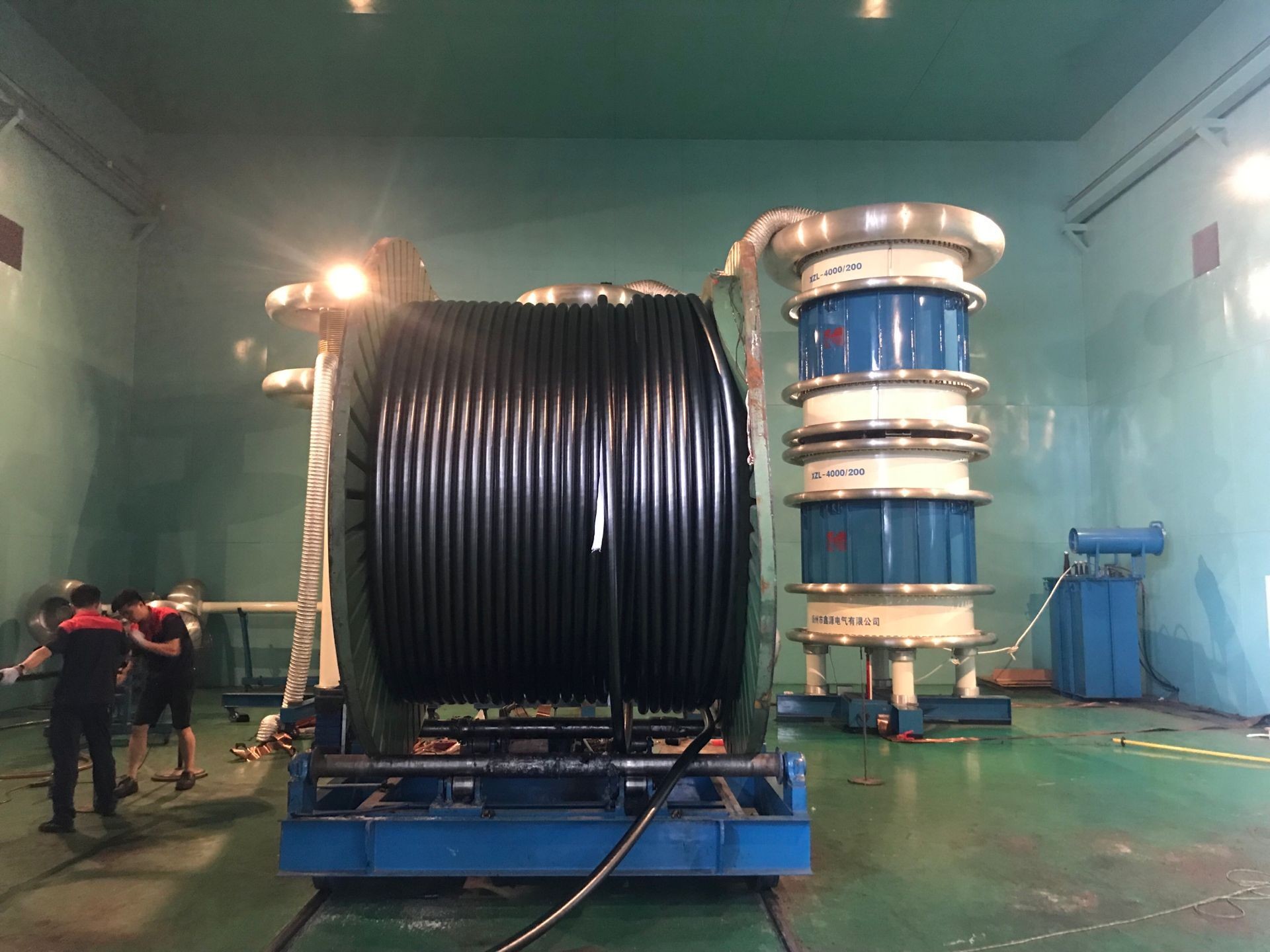
Trust Seal, Credit Check, RoSH and Supplier Capability Assessment. company has strictly quality control system and professional test lab.
HENAN UME CABLE CO., LTD.

DEVELOPMENT

Internal professional design team and advanced machinery workshop. We can cooperate to develop the products you need.
HENAN UME CABLE CO., LTD.

MANUFACTURING

Advanced automatic machines, strictly process control system. We can manufacture all the Electrical terminals beyond your demand.
HENAN UME CABLE CO., LTD.

100% SERVICE

Bulk and customized small packaging, FOB, CIF, DDU and DDP. Let us help you find the best solution for all your concerns.

1994

Year Established

200+

Employees

+

Customers Served

50000000+

Annual Sales

Our Products

Featured Products

China HENAN UME CABLE CO., LTD.
Contact Us
Play video
Contact at Any Time
Send

HENAN UME CABLE CO., LTD.

Address: Room1813, Tower D, No. 100 Shangdu Road, Zhengdong New District, Zhengzhou, Henan, China
Phone: 86-186-38615776
Our Products
Top Products
Our Cases
Recent Industrial Projects
Event
Our Latest News
Lastest company news about Application of Aerial Insulated Cables in Complex Environments: Addressing Unauthorized Access and Operational Risks
Application of Aerial Insulated Cables in Complex Environments: Addressing Unauthorized Access and Operational Risks
.gtr-container-x7y2z1 { font-family: Verdana, Helvetica, "Times New Roman", Arial, sans-serif; color: #333; line-height: 1.6; padding: 20px; box-sizing: border-box; max-width: 960px; margin: 0 auto; } .gtr-container-x7y2z1 .gtr-main-title { font-size: 24px; font-weight: bold; color: #0000FF; margin-bottom: 20px; text-align: left; } .gtr-container-x7y2z1 .gtr-section-title { font-size: 18px; font-weight: bold; color: #0000FF; margin-top: 30px; margin-bottom: 15px; text-align: left; } .gtr-container-x7y2z1 p { font-size: 14px; margin-bottom: 15px; text-align: left !important; } .gtr-container-x7y2z1 hr { border: none; border-top: 1px solid #eee; margin: 25px 0; } .gtr-container-x7y2z1 ul { list-style: none !important; padding: 0; margin: 0 0 15px 0; } .gtr-container-x7y2z1 ul li { position: relative; padding-left: 20px; margin-bottom: 8px; font-size: 14px; text-align: left !important; list-style: none !important; } .gtr-container-x7y2z1 ul li::before { content: "•" !important; position: absolute !important; left: 0 !important; color: #0000FF; font-size: 16px; line-height: 1.6; } .gtr-container-x7y2z1 strong { font-weight: bold; } @media (min-width: 768px) { .gtr-container-x7y2z1 { padding: 40px; } .gtr-container-x7y2z1 .gtr-main-title { font-size: 28px; } .gtr-container-x7y2z1 .gtr-section-title { font-size: 20px; } } Application of Aerial Insulated Cables in Complex Environments: Addressing Unauthorized Access and Operational Risks Environmental Conditions Regions in South America and Africa often face high temperatures, humidity, and complex terrain. Combined with unauthorized access issues, these factors increase the complexity of overhead distribution systems. Key Risks Typical risks include: Abnormal load due to illegal connections Environmental impact on insulation Mechanical stress causing conductor damage These must be addressed through material and structural design. Why ABC Cables Fit Complex Environments ABC cables are suitable due to: XLPE insulation for outdoor and humid conditions Aluminum conductors reducing weight Stranded multi-core design improving stability These features support reliable operation in challenging conditions. Engineering Applications In practice, ABC cables are used in: Distribution and lightning protection systems Rural and mountainous grids Areas with high unauthorized access risks Performance is reflected in insulation stability and structural reliability. Selection and Implementation Key considerations include: Voltage rating (0.6/1kV) Insulation performance (XLPE) Conductor sizes (e.g., 2×35, 4×50 mm²) Parameter-based selection improves adaptability.
Lastest company news about Improving Overhead Line Security: The Use of ABC Cables Against Unauthorized Access
Improving Overhead Line Security: The Use of ABC Cables Against Unauthorized Access
.gtr-container-7f8d2e { font-family: Verdana, Helvetica, "Times New Roman", Arial, sans-serif; color: #333; line-height: 1.6; padding: 15px; box-sizing: border-box; max-width: 100%; overflow-x: hidden; } .gtr-container-7f8d2e__main-title { font-size: 18px; font-weight: bold; color: #0000FF; margin-bottom: 20px; text-align: left; } .gtr-container-7f8d2e__section-title { font-size: 18px; font-weight: bold; color: #333; margin-top: 25px; margin-bottom: 15px; text-align: left; } .gtr-container-7f8d2e p { font-size: 14px; margin-bottom: 10px; text-align: left !important; word-break: normal; overflow-wrap: normal; } .gtr-container-7f8d2e ul { list-style: none !important; padding-left: 0; margin-left: 20px; margin-bottom: 10px; } .gtr-container-7f8d2e ul li { position: relative; padding-left: 1.5em; margin-bottom: 8px; font-size: 14px; text-align: left; list-style: none !important; } .gtr-container-7f8d2e ul li::before { content: "•" !important; color: #0000FF; position: absolute !important; left: 0 !important; font-size: 1.2em; line-height: 1; top: 0.1em; } .gtr-container-7f8d2e__list-strong { font-weight: bold; } @media (min-width: 768px) { .gtr-container-7f8d2e { padding: 25px 40px; } .gtr-container-7f8d2e__main-title { margin-bottom: 30px; } .gtr-container-7f8d2e__section-title { margin-top: 35px; margin-bottom: 20px; } .gtr-container-7f8d2e p { margin-bottom: 12px; } .gtr-container-7f8d2e ul { margin-left: 25px; } } Improving Overhead Line Security: The Use of ABC Cables Against Unauthorized Access Industry Background In parts of South America and Africa, expanding power grids are increasingly challenged by illegal connections and power theft. These issues not only affect supply stability but also introduce safety risks, requiring more robust distribution system design. Limitations of Bare Conductors Conventional overhead distribution systems often use bare conductors, which are more exposed and easier to tap illegally. In dense or complex environments, they are also more vulnerable to external interference. Structural Advantages of ABC Cable Aerial bundled cables (ABC) enhance physical security through their insulated, bundled structure: XLPE insulation provides electrical isolation Multi-core configurations (e.g., 2×35 mm², 4×50 mm²) fit various systems Rated voltage 0.6/1kV suits low-voltage distribution These features make unauthorized access more difficult. Application Scenarios ABC cables are commonly used in: Dense urban distribution networks Rural electrification projects Areas with high risk of unauthorized access They contribute to improved system safety. Selection Considerations Key factors include: Insulation type (XLPE) Conductor configuration and size Voltage rating (0.6/1kV) Proper selection helps balance safety and cost.
Lastest company news about Grounding Conductor Selection in High-Humidity Environments: Material Performance and Engineering Considerations
Grounding Conductor Selection in High-Humidity Environments: Material Performance and Engineering Considerations
.gtr-container-xyz789 { font-family: Verdana, Helvetica, "Times New Roman", Arial, sans-serif; color: #333; line-height: 1.6; padding: 15px; box-sizing: border-box; font-size: 14px; } .gtr-container-xyz789 .gtr-title { font-size: 18px; font-weight: bold; color: #0000FF; margin-top: 25px; margin-bottom: 15px; text-align: left; } .gtr-container-xyz789 p { font-size: 14px; margin-bottom: 15px; text-align: left !important; } .gtr-container-xyz789 ol { list-style: none !important; counter-reset: list-item; margin: 0 0 15px 0; padding: 0; } .gtr-container-xyz789 ol li { position: relative; padding-left: 25px; margin-bottom: 8px; font-size: 14px; text-align: left; } .gtr-container-xyz789 ol li::before { content: counter(list-item) "." !important; position: absolute !important; left: 0 !important; color: #0000FF; font-weight: bold; width: 20px; text-align: right; } @media (min-width: 768px) { .gtr-container-xyz789 { padding: 25px 40px; } .gtr-container-xyz789 .gtr-title { margin-top: 30px; margin-bottom: 20px; } .gtr-container-xyz789 p { margin-bottom: 18px; } .gtr-container-xyz789 ol { margin-bottom: 20px; } .gtr-container-xyz789 ol li { margin-bottom: 10px; } } Grounding Conductor Selection in High-Humidity Environments: Material Performance and Engineering Considerations Environmental Challenges Certain regions in South America are characterized by high humidity, frequent rainfall, and corrosive soil conditions. These factors can accelerate conductor degradation and affect long-term grounding performance, making material selection critical. Common Issues and Risks Typical challenges include: Corrosion leading to unstable grounding resistance Insufficient tensile strength causes mechanical failure Variations in electrical performance over time These issues often result from limitations in material properties. Why CCS Wire Fits These Conditions CCS conductors are suitable for such environments due to: Copper layer offering corrosion resistance Steel core ensuring structural strength Adjustable conductivity (20–40%) for different grounding designs Electrical parameters such as DC resistance help evaluate long-term stability. Engineering Applications In practice, CCS wires are used in: Lightning protection grounding systems Industrial grounding networks Telecom base station grounding Performance is reflected in mechanical reliability and electrical continuity. Selection Recommendations For high-humidity environments, key considerations include: Copper layer process (electroplated or cladded) Tensile strength Electrical stability indicators (DC resistance, I²t) Parameter-based selection improves overall system reliability.
Lastest company news about Copper Clad Steel Wire in Grounding Projects: Balancing Mechanical Strength and Electrical Performance
Copper Clad Steel Wire in Grounding Projects: Balancing Mechanical Strength and Electrical Performance
.gtr-container-x7y3z1 { font-family: Verdana, Helvetica, "Times New Roman", Arial, sans-serif; color: #333; line-height: 1.6; padding: 15px; max-width: 100%; box-sizing: border-box; } .gtr-container-x7y3z1-title { font-size: 18px; font-weight: bold; color: #0000FF; margin-bottom: 20px; text-align: left; } .gtr-container-x7y3z1-section-title { font-size: 16px; font-weight: bold; color: #0000FF; margin-top: 25px; margin-bottom: 15px; text-align: left; } .gtr-container-x7y3z1-paragraph { font-size: 14px; margin-bottom: 10px; text-align: left !important; } .gtr-container-x7y3z1 ul, .gtr-container-x7y3z1 ol { margin: 15px 0; padding: 0; list-style: none !important; } .gtr-container-x7y3z1 li { font-size: 14px; margin-bottom: 8px; padding-left: 25px; position: relative; text-align: left; list-style: none !important; } .gtr-container-x7y3z1 ul li::before { content: "•" !important; color: #0000FF; position: absolute !important; left: 0 !important; font-size: 1.2em; line-height: 1; top: 0; } .gtr-container-x7y3z1 ol { counter-reset: list-item; } .gtr-container-x7y3z1 ol li { display: list-item; list-style: none !important; } .gtr-container-x7y3z1 ol li::before { content: counter(list-item) "." !important; color: #0000FF; position: absolute !important; left: 0 !important; font-weight: bold; width: 20px; text-align: right; top: 0; } .gtr-container-x7y3z1 strong { font-weight: bold; } @media (min-width: 768px) { .gtr-container-x7y3z1 { padding: 30px; max-width: 960px; margin: 0 auto; } .gtr-container-x7y3z1-title { font-size: 18px; margin-bottom: 30px; } .gtr-container-x7y3z1-section-title { font-size: 18px; margin-top: 35px; margin-bottom: 20px; } .gtr-container-x7y3z1-paragraph { margin-bottom: 12px; } .gtr-container-x7y3z1 ul, .gtr-container-x7y3z1 ol { margin: 20px 0; } .gtr-container-x7y3z1 li { margin-bottom: 10px; padding-left: 30px; } } Copper Clad Steel Wire in Grounding Projects: Balancing Mechanical Strength and Electrical Performance Industry Background In South America, the expansion of power and telecom infrastructure has introduced more demanding grounding conditions, including long-distance installation, high humidity, and varying soil corrosivity. These factors require grounding conductors to deliver both stable electrical performance and sufficient mechanical strength. Limitations of Conventional Materials Traditional grounding conductors are typically made of pure copper or galvanized steel. Copper offers high conductivity but limited tensile strength in long-span applications, while galvanized steel provides strength but lacks sufficient electrical conductivity for certain grounding systems. Structural Advantages of CCS Wire Copper-clad steel wire combines a steel core with a copper layer, enabling a balanced performance profile: Conductivity range (20–40% IACS) suitable for grounding applications Steel core ensures higher tensile strength for long spans Stranded structure improves flexibility for installation This combination allows CCS conductors to meet both electrical and mechanical requirements. Application Scenarios Typical applications in South America include: Substation grounding systems Overhead grounding conductors Telecom messenger wires In humid or corrosive environments, the copper layer contributes to improved durability. Selection Considerations Key parameters for selection include: Conductivity level (20% / 30% / 40%) Tensile strength (breaking strength) DC resistance and short-circuit capacity (I²t) Proper parameter matching helps balance performance and cost.
Lastest company news about AAC vs AAAC Bare Conductors: Applications, Advantages and How to Choose the Right One
AAC vs AAAC Bare Conductors: Applications, Advantages and How to Choose the Right One
.gtr-container-a1b2c3 { font-family: Verdana, Helvetica, "Times New Roman", Arial, sans-serif; color: #333; line-height: 1.6; padding: 16px; max-width: 100%; box-sizing: border-box; } .gtr-container-a1b2c3__title { font-size: 18px; font-weight: bold; color: #0000FF; margin-bottom: 16px; text-align: left; } .gtr-container-a1b2c3__subtitle { font-size: 16px; font-weight: bold; color: #333; margin-top: 24px; margin-bottom: 12px; text-align: left; } .gtr-container-a1b2c3__subsubtitle { font-size: 14px; font-weight: bold; color: #333; margin-top: 18px; margin-bottom: 8px; text-align: left; } .gtr-container-a1b2c3__paragraph { font-size: 14px; margin-bottom: 12px; text-align: left !important; word-break: normal; overflow-wrap: normal; } .gtr-container-a1b2c3__paragraph strong { font-weight: bold; color: #0000FF; } .gtr-container-a1b2c3__list { list-style: none !important; padding: 0; margin: 0 0 12px 0; } .gtr-container-a1b2c3__list-item { font-size: 14px; margin-bottom: 8px; position: relative; padding-left: 20px; text-align: left; } .gtr-container-a1b2c3__list-item::before { content: "•" !important; position: absolute !important; left: 0 !important; color: #0000FF; font-size: 1.2em; line-height: 1; top: 0; } .gtr-container-a1b2c3__list-item strong { font-weight: bold; color: #0000FF; } .gtr-container-a1b2c3__divider { border: none; border-top: 1px solid #eee; margin: 24px 0; } .gtr-container-a1b2c3__table-wrapper { width: 100%; overflow-x: auto; margin-bottom: 16px; } .gtr-container-a1b2c3__table { width: 100%; border-collapse: collapse !important; border-spacing: 0 !important; min-width: 600px; } .gtr-container-a1b2c3__table th, .gtr-container-a1b2c3__table td { border: 1px solid #ccc !important; padding: 8px 12px !important; text-align: left !important; vertical-align: top !important; font-size: 14px !important; word-break: normal !important; overflow-wrap: normal !important; } .gtr-container-a1b2c3__table th { font-weight: bold !important; background-color: #f0f0f0; color: #333; } .gtr-container-a1b2c3__table tbody tr:nth-child(even) { background-color: #f9f9f9; } @media (min-width: 768px) { .gtr-container-a1b2c3 { padding: 24px; max-width: 960px; margin: 0 auto; } .gtr-container-a1b2c3__title { font-size: 24px; margin-bottom: 24px; } .gtr-container-a1b2c3__subtitle { font-size: 20px; margin-top: 32px; margin-bottom: 16px; } .gtr-container-a1b2c3__subsubtitle { font-size: 16px; margin-top: 24px; margin-bottom: 10px; } .gtr-container-a1b2c3__table { min-width: auto; } } AAC and AAAC Bare Conductors: Main Applications, Advantages, and Key Differences In modern power transmission and distribution systems, AAC conductors and AAAC conductors are widely used as overhead bare conductors. Both are made of aluminum, but their performance characteristics and applications differ. Understanding their advantages and differences helps utilities and contractors choose the right solution for their projects. What is AAC Conductor? AAC (All-Aluminum Conductor) is made of high-purity aluminum strands concentrically stranded together. It is one of the most commonly used overhead transmission line conductors in low and medium-voltage networks. Main Applications of AAC Conductor Urban overhead distribution lines Short-span transmission lines Areas where high conductivity is required Coastal regions with less mechanical stress demand Advantages of AAC Conductor Excellent electrical conductivity Lightweight structure Good corrosion resistance Easy installation and handling Cost-effective for short-distance transmission Due to its high aluminum content, AAC offers superior conductivity compared to alloy conductors. However, its tensile strength is relatively lower. What is AAAC Conductor? AAAC (All Aluminum Alloy Conductor) is manufactured using high-strength aluminum-magnesium-silicon alloy wires. It is designed to provide better mechanical performance compared to AAC. Main Applications of AAAC Conductor Long-span overhead transmission lines Mountainous and windy areas High mechanical stress environments Medium and high voltage transmission systems Advantages of AAAC Conductor Higher tensile strength than AAC Better sag performance Excellent corrosion resistance Longer service life Reduced maintenance costs AAAC conductor is especially suitable for projects requiring both strength and durability. AAC vs AAAC: Key Differences Feature AAC Conductor AAAC Conductor Material Pure aluminum Aluminum alloy Electrical Conductivity Higher Slightly lower Mechanical Strength Lower Higher Span Capability Short span Long span Sag Performance Moderate Better Cost Generally lower Slightly higher In summary, AAC conductor is ideal for short-distance distribution networks where conductivity is the priority. In contrast, AAAC conductor is preferred for long-span and high-strength applications where mechanical performance is critical. Choosing the Right Bare Conductor for Your Project When selecting between AAC and AAAC conductors, factors such as span length, environmental conditions, mechanical load, and budget must be considered. For overhead power line projects requiring lightweight and economical solutions, AAC may be suitable. For more demanding environments, AAAC provides enhanced durability and reliability. If you are looking for a professional supplier of AAC conductor, AAAC conductor, or other aluminum bare conductors, feel free to contact us for technical support and competitive pricing.
Lastest company news about ACSR and AACSR Overhead Conductors – Mechanical Strength, Conductivity & Durability Compared
ACSR and AACSR Overhead Conductors – Mechanical Strength, Conductivity & Durability Compared
/* Unique class for the root container */ .gtr-container-f7d9e2 { font-family: Verdana, Helvetica, "Times New Roman", Arial, sans-serif; color: #333; line-height: 1.6; padding: 15px; /* Default padding for mobile */ max-width: 100%; box-sizing: border-box; } /* Headings (simulated h2) */ .gtr-container-f7d9e2 .gtr-heading-2 { font-size: 18px; font-weight: bold; color: #0000FF; /* Theme color */ margin-top: 25px; margin-bottom: 15px; text-align: left; } /* Paragraphs */ .gtr-container-f7d9e2 p { font-size: 14px; margin-bottom: 15px; text-align: left !important; /* Enforce left alignment */ } /* Horizontal Rule */ .gtr-container-f7d9e2 hr { border: none; border-top: 1px solid #eee; margin: 30px 0; } /* Lists */ .gtr-container-f7d9e2 ul, .gtr-container-f7d9e2 ol { list-style: none !important; /* Remove default list markers */ margin: 0 0 15px 0; padding: 0; } .gtr-container-f7d9e2 li { position: relative; padding-left: 25px; /* Space for custom marker */ margin-bottom: 8px; font-size: 14px; text-align: left; list-style: none !important; } /* Unordered list custom marker */ .gtr-container-f7d9e2 ul li::before { content: "•" !important; /* Custom bullet point */ color: #0000FF; /* Theme color */ position: absolute !important; left: 0 !important; font-size: 1.2em; line-height: 1; top: 0; /* Align with text top */ } /* Ordered list custom marker */ .gtr-container-f7d9e2 ol { counter-reset: list-item; /* Initialize counter */ } .gtr-container-f7d9e2 ol li::before { content: counter(list-item) "." !important; /* Use browser's list-item counter */ position: absolute !important; left: 0 !important; font-weight: bold; color: #0000FF; /* Theme color */ width: 20px; /* Adjust width for number alignment */ text-align: right; top: 0; /* Align with text top */ } /* Table wrapper for responsiveness */ .gtr-container-f7d9e2 .gtr-table-wrapper { overflow-x: auto; /* Enable horizontal scrolling for tables on small screens */ margin-bottom: 20px; } /* Table styling */ .gtr-container-f7d9e2 table { width: 100%; border-collapse: collapse !important; /* Ensure borders collapse */ border-spacing: 0 !important; /* Remove spacing */ margin: 0; font-size: 14px; min-width: 600px; /* Ensure table has a minimum width for scrolling on mobile if needed */ } .gtr-container-f7d9e2 th, .gtr-container-f7d9e2 td { border: 1px solid #ccc !important; /* Enforce 1px solid border */ padding: 10px 12px !important; /* Consistent padding */ text-align: left !important; /* Left align text */ vertical-align: top !important; /* Top align content */ word-break: normal; /* Prevent breaking words */ overflow-wrap: normal; /* Prevent breaking words */ } .gtr-container-f7d9e2 th { font-weight: bold !important; /* Bold table headers */ background-color: #f0f0f0 !important; /* Light background for headers */ color: #333; } /* Zebra striping for table rows */ .gtr-container-f7d9e2 tbody tr:nth-child(even) { background-color: #f9f9f9 !important; /* Light grey for even rows */ } /* Media query for PC screens */ @media (min-width: 768px) { .gtr-container-f7d9e2 { padding: 30px; /* More padding for larger screens */ max-width: 960px; /* Constrain width for readability on large screens */ margin: 0 auto; /* Center the component */ } .gtr-container-f7d9e2 .gtr-heading-2 { font-size: 22px; /* Slightly larger headings on PC */ } .gtr-container-f7d9e2 table { min-width: auto; /* Allow table to shrink on PC if content fits */ } } ACSR vs AACSR Conductors | Optimize Your Overhead Power Line Design IntroductionWith the rapid development of global power transmission and distribution networks, selecting the right overhead conductor is essential for efficiency, reliability, and long-term performance. Two widely used options are ACSR (Aluminum Conductor Steel Reinforced) and AACSR (All Aluminum Alloy Conductor Steel Reinforced). Understanding their differences in mechanical strength, electrical conductivity, and environmental resistance helps engineers and project managers optimize overhead line design and system reliability. What is ACSR? | Aluminum Conductor Steel Reinforced ACSR conductors consist of a high-strength steel core surrounded by one or more layers of aluminum strands. Key features include: High tensile strength, suitable for long spans and heavy mechanical loads Good electrical conductivity with moderate resistance Durability under environmental stress, including wind and ice loading Widely used in overhead transmission and distribution lines ACSR provides a balanced solution between mechanical strength and conductivity, making it ideal for standard power transmission projects. What is AACSR? | All Aluminum Alloy Conductor Steel Reinforced AACSR conductors are similar to ACSR but use aluminum alloy strands instead of pure aluminum. Advantages include: Higher corrosion resistance, especially in coastal or industrial environments Improved electrical conductivity compared to standard ACSR of similar size Longer service life under harsh environmental conditions Suitable for high-voltage overhead lines and challenging terrains AACSR is designed for projects where environmental durability and reduced maintenance costs are priorities. ACSR vs AACSR | Key Comparison Feature ACSR AACSR Conductor Material Aluminum over Steel Aluminum Alloy over Steel Mechanical Strength High Very High Electrical Conductivity Good Excellent Corrosion Resistance Moderate High Typical Applications Standard transmission lines Coastal or high-stress lines Choosing between ACSR and AACSR conductors depends on project requirements, including span length, environmental conditions, and long-term reliability. Standards & Quality Assurance Both ACSR and AACSR are manufactured according to international standards such as IEC, ASTM, and regional norms, ensuring: Consistent tensile strength and elongation Stable electrical conductivity Reliable mechanical performance under environmental loads Full traceability and strict quality control throughout production Conclusion | Maximize System Efficiency and Reliability Selecting the appropriate conductor—ACSR or AACSR—can significantly impact power system efficiency, safety, and lifecycle costs. Our high-quality conductors meet diverse project requirements, from urban distribution networks to long-span transmission lines. Contact Us | Professional Overhead Conductor Solutions For inquiries on ACSR, AACSR specifications, pricing, or customized solutions, please contact us.Our technical team provides professional consultation, fast response, and tailored overhead conductor solutions for your projects.
Lastest company news about Copper Clad Steel Strands for Overhead Ground Wire and Grounding Systems
Copper Clad Steel Strands for Overhead Ground Wire and Grounding Systems
.gtr-container-x7y3z1 { font-family: Verdana, Helvetica, "Times New Roman", Arial, sans-serif; color: #333; padding: 16px; line-height: 1.6; box-sizing: border-box; } .gtr-container-x7y3z1 .gtr-title { font-size: 18px; font-weight: bold; color: #0000FF; margin-top: 24px; margin-bottom: 16px; text-align: left; } .gtr-container-x7y3z1 p { font-size: 14px; margin-bottom: 1em; text-align: left !important; line-height: 1.6; } .gtr-container-x7y3z1 strong { font-weight: bold; } .gtr-container-x7y3z1 ul { list-style: none !important; padding-left: 0; margin-bottom: 1em; } .gtr-container-x7y3z1 ul li { position: relative; padding-left: 20px; margin-bottom: 0.5em; font-size: 14px; text-align: left; list-style: none !important; } .gtr-container-x7y3z1 ul li::before { content: "•" !important; position: absolute !important; left: 0 !important; color: #0000FF; font-size: 16px; line-height: 1.6; } .gtr-container-x7y3z1 ul li p { margin: 0; padding: 0; text-align: left !important; font-size: 14px; list-style: none !important; } .gtr-container-x7y3z1 .gtr-separator { margin-top: 30px; margin-bottom: 30px; border-top: 1px solid #eee; } @media (min-width: 768px) { .gtr-container-x7y3z1 { padding: 24px; } .gtr-container-x7y3z1 .gtr-title { margin-top: 30px; margin-bottom: 20px; } } Copper Clad Steel Strand Solutions | High-Strength Grounding Conductors & Overhead Ground Wire IntroductionWith the rapid upgrade of global power systems and communication infrastructure, Copper Clad Steel Strands (CCS) have become a preferred choice for key applications such as grounding conductors, overhead ground wires, and shield wires due to their high-strength conductors and excellent electrical conductivity. Leveraging advanced manufacturing technology and strict quality control, we provide customers with high-reliability, long-life, and cost-optimized CCS products, meeting the demands of power, communication, and railway infrastructure projects. Outstanding Product Features | Strength and Low Resistance Combined Our Copper Clad Steel Strands are manufactured using advanced cladding technology to ensure a strong metallurgical bond between the copper layer and steel core, offering: High tensile strength, suitable for long-span overhead lines and complex terrains Low-resistance conductors, enhancing efficiency of power and communication systems Corrosion-resistant copper-clad steel, extending service life in outdoor environments Uniform copper layer thickness, ensuring stable electrical and mechanical performance These strands maintain reliable operation even under high humidity, salt spray, and strong UV exposure. Applications | Ideal for Overhead Ground Wire and Grounding Systems Thanks to their balanced strength and conductivity, CCS strands are widely used in: Overhead Ground Wire Power Grounding Conductors Transmission line shield wires Communication and signal transmission systems Railway and large-scale infrastructure grounding projects Their excellent performance and high cost-efficiency make them ideal for power, communication, and railway projects. Standards & Quality Assurance | Compliant with International and Industry Norms Our products are designed and tested according to IEC standards, GB standards, and other relevant international norms, covering: Electrical conductivity and resistance testing Tensile strength and elongation Copper-to-steel bonding strength Corrosion resistance testing Strict quality control from raw material procurement to finished products ensures consistent performance and traceability, providing long-term reliability. Continuous Innovation | Enhancing System Reliability and Project Value By continuously optimizing material composition and manufacturing processes, we improve the mechanical strength, electrical efficiency, and corrosion resistance of CCS strands, helping customers reduce lifecycle costs while enhancing reliability and value for power, communication, and railway infrastructure projects. Contact Us | Professional Copper Clad Steel Strand Solutions For inquiries on CCS strand specifications, pricing, application solutions, or samples, please contact us.Our technical team provides professional consultation, rapid response, and tailored conductor solutions for your projects.
Lastest company news about Powering the Future with Advanced Overhead Cable Solutions
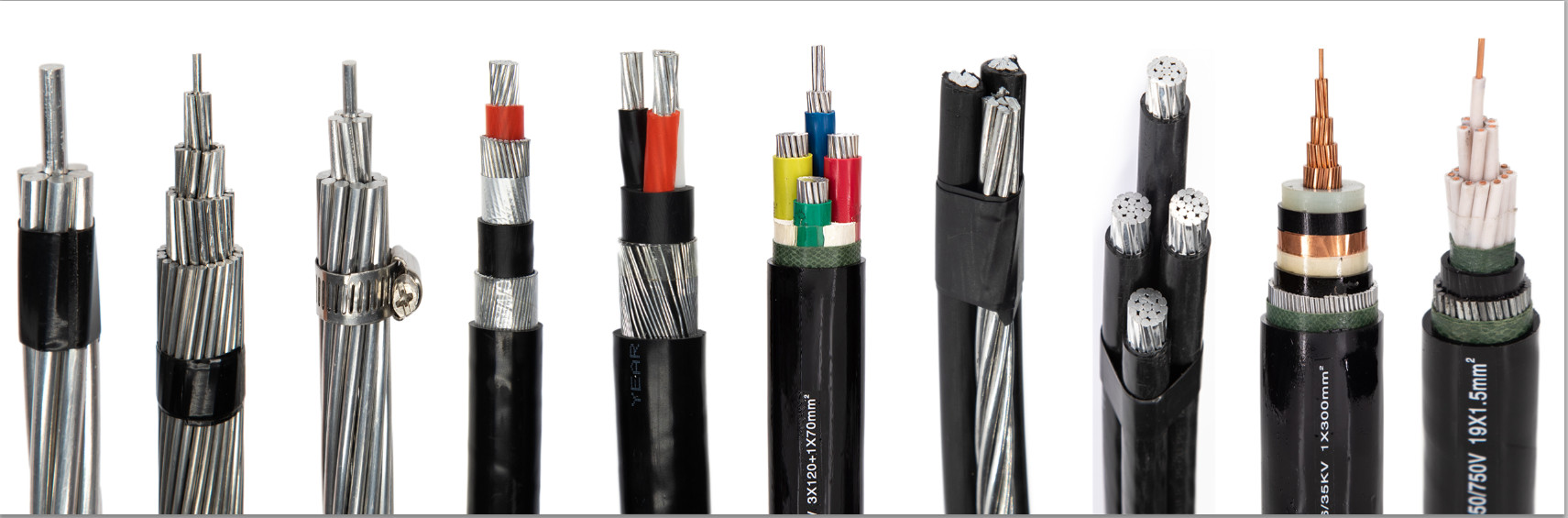
Powering the Future with Advanced Overhead Cable Solutions
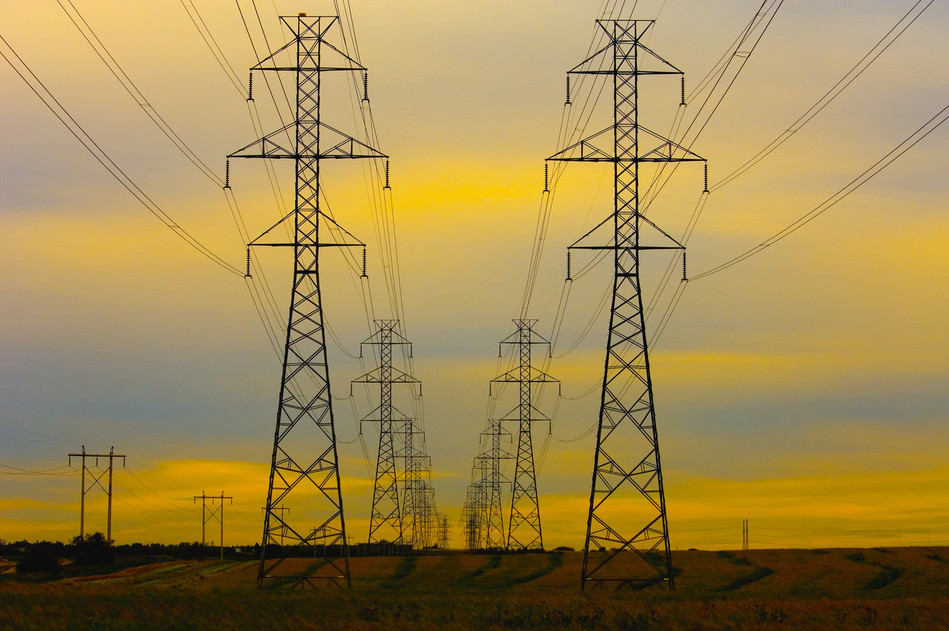
.gtr-container-xyz789 { font-family: Verdana, Helvetica, "Times New Roman", Arial, sans-serif; color: #333; line-height: 1.6; padding: 15px; box-sizing: border-box; overflow-wrap: break-word; } .gtr-container-xyz789 .gtr-title { font-size: 18px; font-weight: bold; color: #0000FF; margin-top: 25px; margin-bottom: 15px; text-align: left; } .gtr-container-xyz789 p { font-size: 14px; margin-bottom: 15px; text-align: left !important; } .gtr-container-xyz789 strong { font-weight: bold; } .gtr-container-xyz789 hr { border: none; border-top: 1px solid #eee; margin: 30px 0; } .gtr-container-xyz789 ul, .gtr-container-xyz789 ol { list-style: none !important; padding: 0; margin: 0 0 15px 0; } .gtr-container-xyz789 ul li, .gtr-container-xyz789 ol li { position: relative; padding-left: 25px; margin-bottom: 8px; font-size: 14px; text-align: left; list-style: none !important; } .gtr-container-xyz789 ul li::before { content: "•" !important; position: absolute !important; left: 0 !important; color: #0000FF; font-size: 1.2em; line-height: 1; top: 0; } .gtr-container-xyz789 ol { counter-reset: list-item; } .gtr-container-xyz789 ol li::before { content: counter(list-item) "." !important; position: absolute !important; left: 0 !important; color: #0000FF; font-weight: bold; width: 1.5em; text-align: right; top: 0; counter-increment: none; } @media (min-width: 768px) { .gtr-container-xyz789 { max-width: 960px; margin: 0 auto; padding: 25px; } .gtr-container-xyz789 .gtr-title { margin-top: 35px; margin-bottom: 20px; } } Overhead Power Cables | High-Performance Solutions for Reliable Electricity Distribution IntroductionWith the rapid expansion of urban and rural power networks, overhead power cables have become a critical component in modern electricity distribution. Offering a combination of durability, safety, and cost-effectiveness, these cables are widely used in medium- and low-voltage distribution systems, renewable energy projects, and industrial power supply networks. Our high-quality overhead cables provide stable performance under harsh environmental conditions, ensuring long-term reliability and system efficiency. Product Features | Durable and Efficient Our overhead cables are engineered with advanced materials and manufacturing techniques to deliver: High-quality aluminum or aluminum alloy conductors, ensuring excellent conductivity and mechanical strength XLPE or PE insulation, providing superior weather resistance and UV protection Compact structure, reducing short-circuit risk and improving line safety Reliable performance in harsh environments, including high temperature, moisture, and direct sunlight exposure These features make our cables ideal for urban and rural distribution networks as well as industrial and renewable energy projects. Applications | Wide Range of Power Distribution Uses Overhead cables are widely deployed in: Urban and rural electrical grid construction and upgrades Industrial parks and manufacturing facilities Renewable energy integration and solar projects Temporary and emergency power supply lines Compared with traditional bare conductors, insulated overhead cables reduce maintenance, enhance safety, and improve supply reliability, making them a preferred solution in high-density and complex terrain areas. Standards & Quality Assurance | Safe and Reliable Our overhead cables are manufactured and tested according to international and regional standards, ensuring: Stable electrical conductivity and resistance Mechanical strength and elongation compliance Weather and UV resistance Full traceability and strict quality control throughout production Every cable is designed to meet long-term operation requirements, ensuring reliable power delivery and system efficiency. Innovation & Sustainability | Long-Term Value We continuously invest in advanced manufacturing technology, material optimization, and quality management to enhance performance and durability. By using our high-performance overhead cables, customers benefit from lower maintenance costs, higher operational reliability, and optimized project life-cycle costs. Contact Us | Professional Overhead Cable Solutions For inquiries on overhead cable specifications, pricing, or customized solutions, please contact us.Our technical and sales teams provide professional consultation, fast response, and tailored cable solutions for your projects.